

The right clothes can completely change how you carry yourself. When your shirt fits perfectly and your pants don't restrict you, you just feel better. For too long, bigger guys have had to settle for less. If you've struggled to find clothes that fit properly, know that the problem isn't your body—it's the clothes. This guide is here to fix that. It’s about building a foundation of confidence, one great piece at a time. We’ll walk you through the essential men's plus-size basics that provide the fit and quality you deserve, creating a wardrobe that makes you feel great every single day.
Key Takeaways
- Know Your Numbers to Nail the Fit: Forget generic size tags. Use a measuring tape to find your true chest and waist measurements, and always compare them against a brand’s specific size chart for a reliable fit every time.
- Look Beyond the Size for Lasting Quality: A great garment is defined by its details. Prioritize essentials made with stretch fabrics for comfort, reinforced stitching for durability, and thoughtful features like extra length that solve common fit problems.
- Build a Smarter Wardrobe with Versatile Basics: Focus on quality pieces in neutral colors that you can easily mix and match. Aim for a fit that skims your body—not too tight, not too baggy—and use simple layering to create a sharp, put-together look without a lot of effort.
Your Big & Tall Wardrobe Checklist: The Essentials
Building a solid wardrobe starts with a foundation of great basics. These are the versatile, go-to pieces you can rely on day in and day out. For big and tall guys, finding high-quality basics that actually fit is even more critical. When your core pieces are on point, getting dressed becomes effortless, and you can feel confident knowing you look good without having to overthink it. Forget the frustration of sifting through racks of clothes that aren't made for your build. Instead, focus on investing in a curated collection of essentials designed to fit and flatter your frame.
The right basics are the building blocks for every great outfit. They’re the comfortable t-shirts, perfectly-fitting jeans, and sharp polos that you can mix, match, and layer for any occasion. Think of them as your wardrobe’s MVP lineup—reliable, hard-working, and always ready to go. When you have these staples in your closet, you create endless outfit possibilities without needing a ton of clothes. It's about working smarter, not harder, with your style. Below is your ultimate checklist for the affordable plus-size men's basics that every big and tall guy needs. Getting these essentials right will completely change the way you approach your style.
The Perfect T-Shirts and Henleys
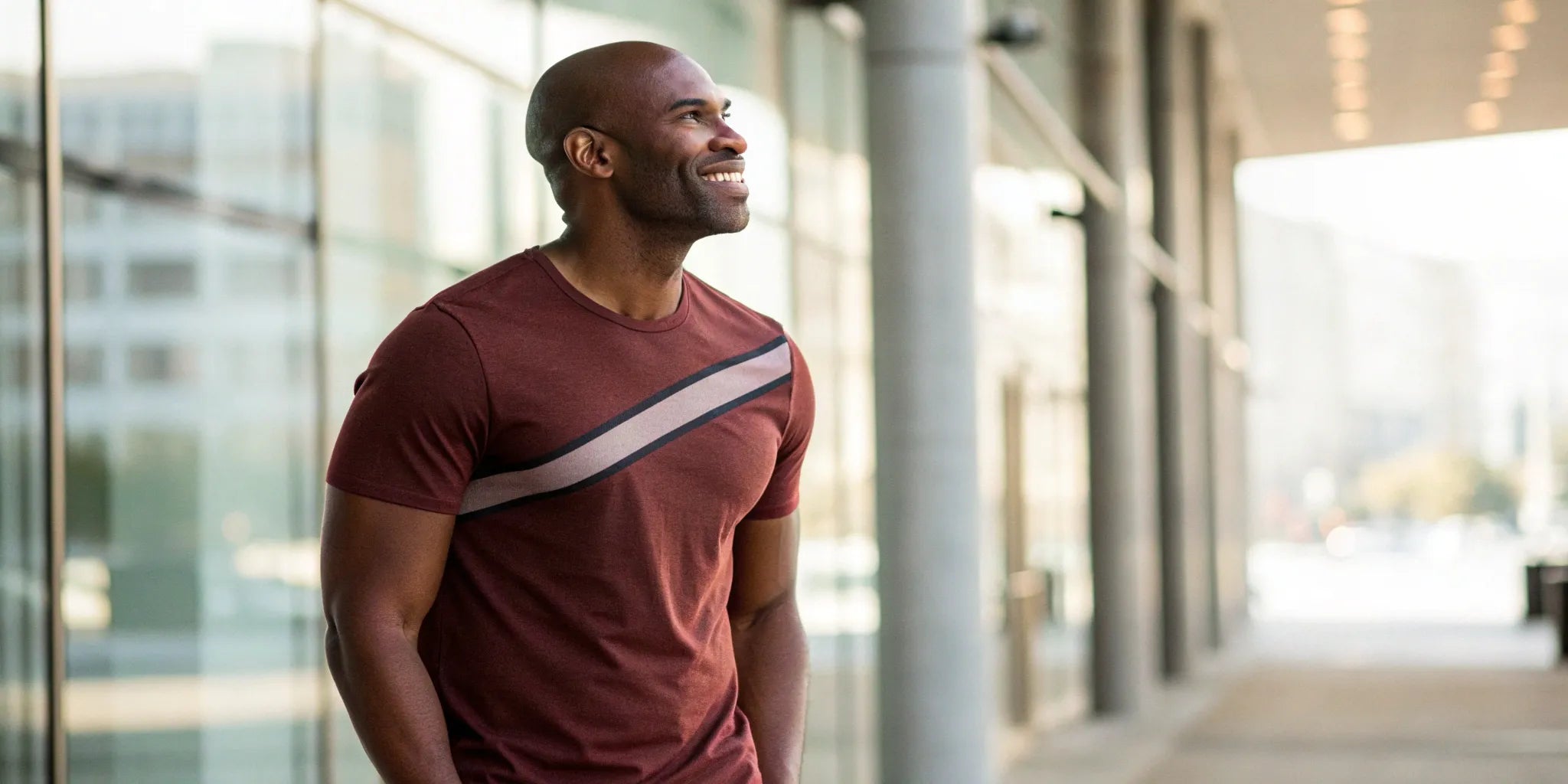
The humble t-shirt is the undisputed champion of casual wear, but finding the right one can be a challenge. A great tee should feel like a second skin—comfortable, flattering, and never restrictive. The key is to look for extra length so they don't ride up, and enough room in the chest and shoulders without being baggy. That added length is a game-changer, ensuring your shirt stays put when you reach for something or get out of your car. A proper fit in the chest and shoulders provides a clean silhouette without clinging or looking sloppy. Henleys are a fantastic alternative when you want to step it up from a basic crewneck while keeping things comfortable and casual.
Sharp Polos and Button-Downs
For those times you need to look a bit more put-together, a well-fitting polo or button-down is essential. These pieces can easily take you from a casual workday to a weekend dinner, but only if the fit is right. When trying them on, make sure they don't pull across the belly or chest, and have the right sleeve length. That tell-tale pulling of the buttons is a dead giveaway that a shirt is too small, creating an uncomfortable and unflattering look. The right sleeve length—hitting right around the wrist bone for a button-down—completes the polished appearance. Investing in shirts designed for a larger frame makes all the difference here.
Well-Fitting Jeans and Chinos
A great pair of pants can make you feel unstoppable, while a bad pair can ruin your whole day. When shopping for jeans and chinos, your mantra should be comfort and mobility. Choose styles with stretch and enough room in the seat and thighs. Avoid anything too tight or too baggy. Stretch fabric isn't just a nice-to-have; it's a necessity that allows you to move freely without feeling constricted. Having adequate room in the seat and thighs prevents pulling and ensures you can sit, stand, and walk comfortably. The goal is to find that perfect middle ground: a clean, modern fit that complements your build without hiding it under excess fabric.
Reliable Activewear and Loungewear
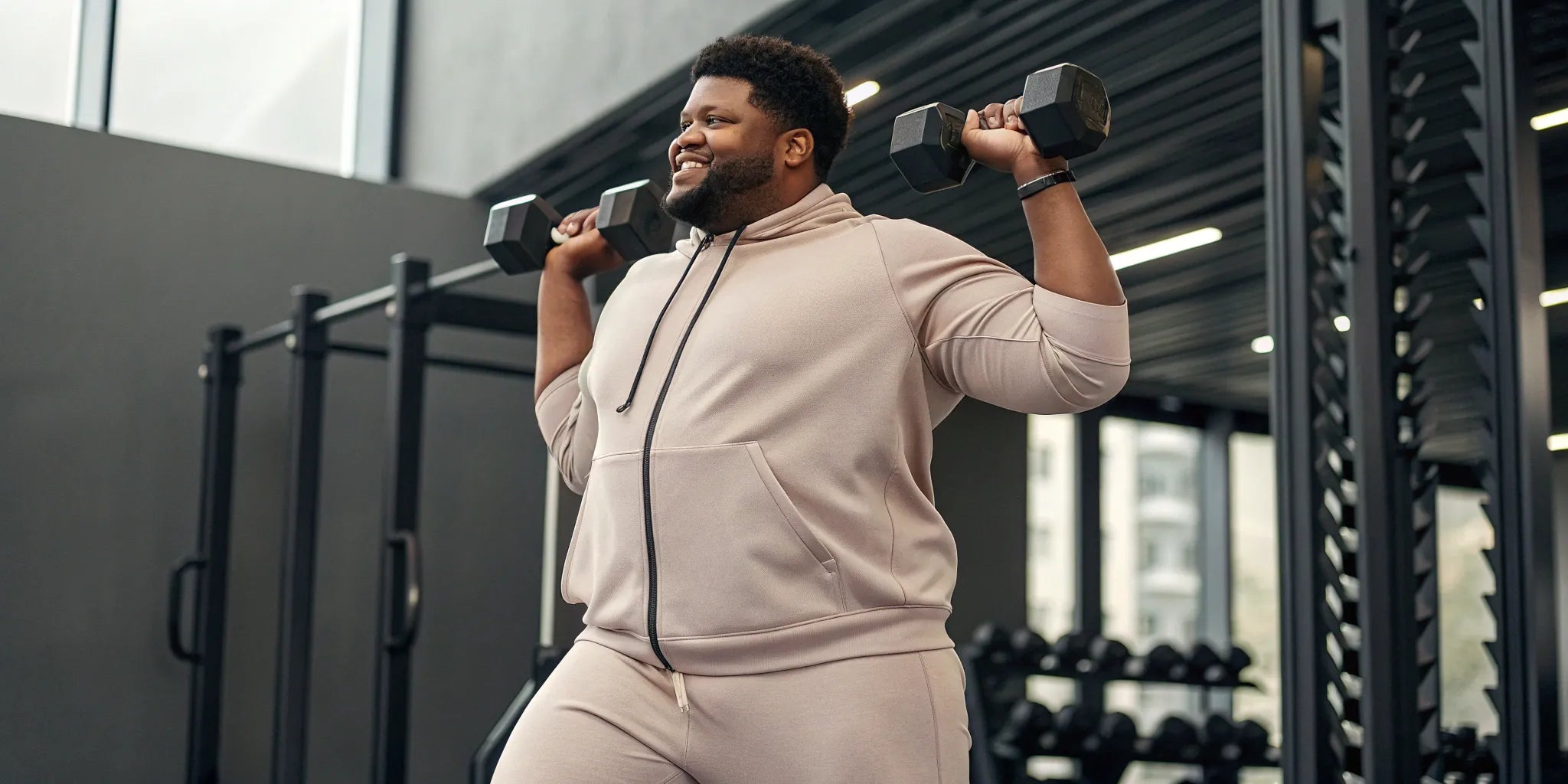
Whether you’re hitting the gym, running errands, or just relaxing at home, your clothes should be all about comfort. Your activewear and loungewear deserve the same attention to fit and quality as the rest of your wardrobe. For these pieces, look for moisture-wicking fabrics, flat seams, and stretch for comfort during activity. Moisture-wicking materials pull sweat away from your skin to keep you cool and dry, while flat seams are designed to prevent chafing and irritation. And of course, four-way stretch fabric is crucial for allowing a full range of motion, whether you’re lifting weights or lounging on the couch.
Supportive Underwear and Undershirts
The foundation of any great outfit starts with what you wear underneath. Don’t overlook the importance of high-quality underwear and undershirts—they can make or break your comfort throughout the day. When selecting your base layers, choose soft, breathable fabrics that offer support without being too tight. Materials like modal or bamboo blends are incredibly soft and help regulate temperature. A good undershirt provides a smooth layer under your button-downs and can help manage sweat, while the right underwear offers support that lasts all day. This is one area where you should never compromise on quality.
Where Should You Shop for Big & Tall Basics?
Finding reliable places to shop for big and tall basics can feel like a full-time job. You need brands that don’t just offer larger sizes as an afterthought but actually design clothes with a bigger frame in mind. The good news is that there are more great options available than ever before, from specialized online brands to familiar department stores. Whether you’re looking for premium quality, trendy styles, or budget-friendly staples, here’s a breakdown of the best places to build your wardrobe.
Strongsize: For Premium Basics That Fit
We started Strongsize because we were tired of the compromises big and tall guys are forced to make. Our entire focus is on creating premium basics that are specifically engineered for your build. We’re not just sizing up standard patterns; we’re adding extra length so your shirts stay tucked, using stretch fabrics that move with you, and reinforcing seams for durability. If you’re looking for high-quality, comfortable essentials that are built to last and fit perfectly right out of the box, our collection is the best place to start. We believe you shouldn’t have to choose between fit, comfort, and style.
DXL & King Size Direct: The Go-To Retailers
For years, DXL and King Size Direct have been the go-to names in big and tall retail. DXL (Destination XL) is like a department store for bigger guys, offering a massive selection of well-known brands in extended sizes. It’s a great one-stop shop, though the prices can be on the higher side. King Size Direct is another long-standing option known for its focus on comfort and affordability. Their styles often lean more traditional, making them a reliable source for classic pieces like relaxed-fit jeans, casual shirts, and workwear. Both are solid choices if you appreciate a wide selection and established reputation.
ASOS & Boohooman: For Trendy, Affordable Finds
If you want to experiment with current trends without making a huge investment, check out online retailers like ASOS and Boohooman. ASOS Plus Men offers a huge variety of fashion-forward styles, from graphic tees and bold patterns to modern outerwear. Similarly, Boohooman provides trendy, of-the-moment pieces at very affordable prices. These brands are perfect for adding some personality to your wardrobe or trying a new look. Just keep in mind that with fast fashion, fit and quality can sometimes be inconsistent, so always read the reviews and check the size charts carefully.
Amazon Essentials & JCPenney: For Budget-Friendly Staples
When you just need to stock up on solid, no-frills basics, you can’t beat the convenience and value of Amazon Essentials and JCPenney. Amazon offers a wide range of everyday staples like tees, underwear, and socks that are affordable and arrive quickly. JCPenney’s Big & Tall section is another excellent resource, especially their in-house Foundry line and the Shaquille O'Neal collection. These lines are specifically designed with the proportions of bigger guys in mind, offering reliable fits on everything from polos and button-downs to casual pants at a budget-friendly price point.
Finally, Find Clothes That Fit: Here's How
Finding clothes that fit well shouldn't feel like a treasure hunt, but for bigger guys, it often does. The frustration of shirts that are too short, pants that are too tight in the thighs, and fabrics that pull in all the wrong places is real. But getting a great fit is less about luck and more about strategy. It starts with understanding your own measurements and knowing what to look for before you even click "add to cart."
Forget relying on generic size tags. The key is to become your own fit expert. By taking a few simple steps—measuring yourself accurately, learning to read size charts, inspecting the quality of your clothes, and understanding what a good silhouette looks like—you can completely change your shopping experience. Instead of settling for whatever is available in your size, you can start building a wardrobe of clothes that are actually designed to fit and flatter your frame. Let’s walk through exactly how to do it.
How to Measure Yourself Accurately
The single most important step to finding clothes that fit is to ignore the size on the tag and focus on your actual measurements. Brands have wildly different ideas of what an "XXL" looks like, so your measurements are your source of truth. Grab a flexible measuring tape and take a few key numbers: your chest (around the fullest part), neck, sleeve length (from the center of your neck to your wrist), waist (at your natural waistline), and inseam. For the most accurate results, ask a friend or partner to help. Once you have them, keep these numbers handy on your phone so you’re always ready to shop.
Don't Forget Your Shoulders and Hips
Once you have your measurements, you can zero in on the two areas that truly define a good fit: the shoulders and the hips. For shirts, the seam should sit right at the edge of your shoulder bone. If it’s too tight, the fabric will pull across your chest and restrict your movement. If it’s too wide, the whole shirt will look sloppy and oversized. A well-designed shirt gives you enough room through the chest and shoulders for a clean silhouette that doesn't feel constricting. This structure is what keeps the fabric from bunching up and ensures the shirt hangs correctly, giving you a sharp, put-together look.
The same principle applies to pants, where the fit around your hips, seat, and thighs is just as critical as the waist measurement. This is where comfort and mobility are really put to the test. You need enough room to sit down, take the stairs, and move through your day without feeling like the seams are about to give out. This is why finding pants with built-in stretch is so important—it offers flexibility right where you need it most. The goal is to find a fit that skims your frame, creating a modern silhouette without being too tight or baggy. Paying attention to these key fit points is the secret to building a wardrobe of well-fitting basics that feel like they were made just for you.
Learn to Read Size Charts and Fit Guides
Every online store should have a size chart, and this is where your measurements become your superpower. Before you buy anything, pull up the brand’s specific chart and compare your numbers. Don't just guess. If you find you’re between sizes, a good rule of thumb is to size up, especially for more structured clothes like button-downs or jackets that don't have much stretch. Also, pay attention to fit descriptions. Brands like Strongsize often provide detailed guides that explain whether a fit is standard or specifically designed with extra room in the chest and belly, which can make all the difference in finding that perfect, comfortable fit.
What to Look For When You Try on Clothes
Once your order arrives, the evaluation isn't over. The first thing to check is the fabric. Look for materials with a bit of stretch, like spandex or elastane blended with cotton or polyester. This gives you room to move without the fabric feeling restrictive or tight. Next, give the garment a quick quality check. Inspect the stitching along the seams, make sure the buttons feel secure, and test the zippers. A well-made piece of clothing will feel sturdy. When you try it on, move around. Lift your arms, sit down, and bend over. The shirt shouldn't ride up your stomach, and the pants shouldn't feel like they’re cutting off your circulation.
Why "Baggy" Isn't the Answer: Find Your Silhouette
There’s a common myth that wearing baggy clothes helps hide a bigger frame, but it usually does the opposite. Wearing clothes that are too big can make you look larger and less put-together. Instead of drowning in fabric, aim for a fit that "skims" your body. This means the clothes should follow the natural shape of your body without clinging too tightly or hanging off you like a tent. A well-fitting t-shirt should drape cleanly over your chest and shoulders without pulling, and a good pair of pants should have a straight line from the hip to the ankle. This creates a sharper, more defined silhouette that looks intentional and confident.
Use Online Sizing and Styling Tools
Even with your measurements in hand, shopping online can still feel like a bit of a gamble. Thankfully, you don’t have to go it alone. Many brands and services now offer smart tools designed to take the guesswork out of finding the right size. These digital assistants can help you translate your measurements into the perfect fit for a specific brand, giving you an extra layer of confidence before you buy. Think of them as your personal fit consultants, available right from your computer or phone.
AI-Powered Size Finders
Many online stores are now using smart technology to help you find your ideal size. These tools, often called size finders, use AI to give you a personalized recommendation. You’ll typically answer a few simple questions about your height, weight, and how you like your clothes to fit. Some even ask what size you wear in another popular brand to compare sizing. Based on your answers, the tool suggests the best size for the item you’re looking at. This technology helps you buy with confidence, significantly cutting down on the chances you’ll have to deal with the hassle of a return.
Personal Styling Services
If you’d rather have an expert handle the shopping for you, a personal styling service might be a perfect match. Companies like Stitch Fix are designed to help you discover clothes that fit your body and your personal style without you ever having to browse a website. You start by filling out a detailed quiz about your sizes, fit challenges, style preferences, and budget. A personal stylist then hand-picks items just for you and sends them to your home to try on. It’s a fantastic way to find new brands and build a cohesive wardrobe with pieces that are curated specifically for a big and tall frame.
Look Closer: Why Fabrics and Features Matter
Finding the right size is only half the battle. The real difference between a good piece of clothing and a great one comes down to the details you can’t see on a size chart. The fabric, the stitching, and the small design choices are what determine whether a shirt feels comfortable all day, holds its shape after a few washes, or falls apart before the season is over. For bigger guys, these details are even more critical because they address common frustrations that standard-sized clothing simply ignores.
Paying attention to these elements means you’re investing in clothes that are truly built to last and designed to fit your frame properly. It’s the difference between a t-shirt that you have to keep pulling down all day and one that just stays put. When you start looking at the quality of the materials and the construction, you’ll find pieces that not only fit better but also give you more confidence and comfort in your daily life.
Why You Need Stretch and Performance Fabrics
The right fabric can completely change how a garment feels and moves with you. When you’re shopping, look for materials that have a bit of stretch. Fabrics blended with a small percentage of elastane or spandex offer flexibility that makes a huge difference, especially in areas like the shoulders and chest. This allows you to move freely without feeling constricted or worrying about a seam popping.
Beyond stretch, consider the quality of the base material. Premium cotton blends are great because they’re breathable, soft, and durable. These performance fabrics are designed to hold their shape and color, so your basics will look good for much longer than those made from cheaper, thinner materials.
Check for Durable, Reinforced Construction
We’ve all been there: you find a shirt that fits well, only for it to lose a button or for a seam to unravel after a few wears. That’s why checking the construction is a non-negotiable step. When your clothes arrive, take a moment to inspect the details. The stitching should be tight, straight, and even, with no loose threads hanging off. Check the buttons to make sure they’re sewn on securely, and test the zippers to see if they glide smoothly. These small signs of quality indicate that the garment was built to handle regular wear and tear.
Find Details Designed for Your Build
The best brands for big and tall guys understand that a good fit requires more than just scaling up a standard pattern. They incorporate thoughtful design details that solve common fit problems. One of the most important features to look for is extra length in the body. This simple adjustment prevents your shirt from riding up every time you raise your arms or bend over. You should also look for enough room in the chest and shoulders to move comfortably, but without the piece looking baggy or sloppy. These features ensure your clothes work with your body, not against it.
How to Check for Quality When Your Order Arrives
The moment of truth arrives with the delivery box. Before you rip off the tags and make a new piece a permanent part of your wardrobe, take a few minutes to play detective. This quick inspection is your final checkpoint, and it can tell you everything you need to know about whether a garment is built to last or destined to fall apart. For bigger guys, this step is especially important; when you find something that fits, you want to be sure it’s also high quality. It’s the best way to ensure your investment pays off in comfort and durability. Here’s exactly what to look for.
Inspect the Seams, Threads, and Zippers
The small details often tell the biggest story about quality. When your clothes arrive, take a moment to inspect the construction. The stitching should be tight, straight, and even, with no loose threads hanging off that could unravel over time. Give the buttons a gentle tug to make sure they’re sewn on securely, and test any zippers to see if they glide smoothly without catching. These small signs of quality craftsmanship indicate that the garment was built to handle regular wear and tear, not just to look good on a hanger. It’s the difference between a shirt you’ll love for years and one you’ll have to replace next season.
Check the Fabric Content
The right fabric can completely change how a garment feels and moves with you. When your order arrives, feel the material. Does it feel substantial and soft, or thin and scratchy? Check the care tag to confirm the fabric content. As you’re shopping, look for materials that have a bit of stretch. Fabrics blended with a small percentage of elastane or spandex offer flexibility that makes a huge difference, especially in areas like the shoulders and chest. This allows you to move freely without feeling constricted or worrying about a seam popping. It’s a key feature that separates thoughtfully designed basics from the rest.
Shopping for Big & Tall Basics on a Budget
Building a wardrobe of clothes that actually fit and feel good shouldn't drain your bank account. We get it—finding quality plus-size clothing can feel like a hunt, and when you finally find something great, the price tag can be a shock. But here’s the good news: you don’t have to choose between quality and affordability. With a little strategy, you can find high-quality pieces that fit your build and your budget. It’s all about knowing where and when to look.
Think of it less like a chore and more like a smart game. By timing your purchases to catch the best sales, exploring hidden gems at discount stores, and using a few online tricks, you can stock your closet with essentials you’ll love without overspending. This isn’t about settling for cheap, poorly made clothes that will fall apart after a few washes. It’s about being a savvy shopper and getting the best possible value for your money. The goal is to build a collection of durable, comfortable basics that will last for years, and these tips will help you do just that without the financial stress.
Take Advantage of Seasonal Sales
This is one of the oldest tricks in the book for a reason: it works. Retailers need to clear out old inventory to make room for the new season, which means big markdowns for you. Think about buying your winter coats in March or grabbing shorts and tees in September. The discounts are often significant. Beyond that, major holiday weekends are your best friend. Mark your calendar for Black Friday, Cyber Monday, and three-day weekends like Memorial Day or Labor Day. Brands run their biggest promotions during these times, making it the perfect opportunity to stock up on core items like t-shirts, jeans, and hoodies. Pro tip: sign up for your favorite brands’ email lists to get a heads-up on upcoming sales.
Don't Forget Discount Retailers and Outlets
Don’t sleep on discount stores like Marshalls, T.J. Maxx, and Nordstrom Rack. While their inventory can be a bit of a treasure hunt, you can often find brand-name basics at a fraction of the original price. The key is to go in with patience and a clear idea of what you’re looking for. Some department stores also have excellent, budget-friendly big & tall lines. For example, JCPenney’s Foundry Big & Tall supply line and their Shaquille O'Neal collection are known for offering solid, affordable options. It might take a bit more digging, but the savings can be well worth the effort.
How to Find the Best Deals Online
The internet is your best friend when it comes to finding a good deal. Before you buy anything, make it a habit to click over to the "Sale" or "Clearance" section of a brand’s website—you might be surprised by what you find. Here at Strongsize, we keep our Sale section updated with great deals on our premium basics. You can also use browser extensions that automatically search for and apply coupon codes at checkout, saving you money with zero effort. It’s also smart to follow brands on social media, as they often announce flash sales or special promotions exclusively to their followers. A few minutes of searching online can easily save you 15% or more on your order.
Give Thrifting a Try
Thrifting is a fantastic way to build a unique wardrobe on a serious budget. While finding plus sizes in traditional thrift stores can sometimes be a challenge, it’s getting easier, especially in larger cities. Look for durable fabrics and well-known brands that are built to last. For a more streamlined experience, check out online consignment shops like Poshmark or ThredUp, where you can filter by size, brand, and item type. This makes it much easier to find exactly what you’re looking for. Just be sure to read the return policy carefully before you buy, as policies for secondhand items can be stricter than with traditional retailers.
Style Your Basics for a Sharper Look
Having a closet full of quality basics is the first step. The next is knowing how to put them together in a way that looks intentional and sharp. Style isn’t about following fleeting trends or wearing complicated outfits; it’s about using fit, color, and a few key details to your advantage. When your clothes fit well and are paired thoughtfully, you not only look better, but you feel more comfortable and confident in your own skin.
Think of your basics as the canvas. With a few simple techniques, you can take a standard t-shirt and jeans and turn it into a polished, put-together look that works for a casual Friday at the office, a weekend hangout, or a dinner date. It’s less about a total wardrobe overhaul and more about making small, smart adjustments. Mastering these fundamentals will give you a reliable formula for looking good every single day, without any of the guesswork. The goal is to create a signature style that feels authentic to you, built on a foundation of pieces you already love.
Choose the Right Fit (Hint: It's Not "Oversized")
One of the biggest myths in big and tall fashion is that baggy clothes are more flattering. In reality, wearing clothes that are too big can make you look larger and less put-together. The goal isn’t to hide your frame, but to complement it. Instead of reaching for oversized items, aim for a fit that “skims” your body—it should follow your natural shape without clinging too tightly or hanging off you like a tent. A well-fitting shirt will sit comfortably on your shoulders and be long enough to stay tucked (or untucked) without riding up. This single adjustment is the most important step toward a sharper appearance and is a core part of our big & tall fit guide.
Use Color and Patterns to Your Advantage
You don’t need a rainbow of colors to have a versatile wardrobe. Start by building a strong base with neutral colors like black, navy, charcoal gray, and olive green. These shades are inherently slimming and incredibly easy to mix and match, which takes the stress out of getting dressed. A great black t-shirt paired with dark-wash jeans is a timeless look that always works. Once you have your core neutrals, you can introduce pops of color with a single item or experiment with simple, classic patterns like stripes or a subtle heathered texture. This approach ensures your outfits always look cohesive and intentional, not random.
How to Layer Clothes to Flatter Your Frame
Layering is a fantastic way to add dimension and structure to your look without adding unnecessary bulk. The key is to layer smartly with lightweight pieces. Think about throwing an open button-down shirt or a thin zip-up hoodie over your t-shirt. This creates vertical lines that draw the eye up and down, which has a visually elongating effect. An unbuttoned overshirt can also help define your shape more effectively than a single, heavier layer. During cooler months, a thin merino wool sweater over a collared shirt is a classic combination that adds warmth and sophistication. Layering gives you the flexibility to adapt to changing temperatures while keeping your style on point.
Finish Your Look with the Right Accessories
Accessories are the finishing touches that tie an entire outfit together and show you’ve paid attention to the details. They’re also a great way to inject your personality into a simple look. You don’t need much to make an impact. A quality leather belt that matches your shoes, a clean pair of sneakers, or a classic watch can instantly make your basics feel more polished. Even something as simple as a well-chosen hat can complete your look. These elements help you achieve a confident appearance by showing that your outfit was a deliberate choice, not just something you threw on.
How to Build a Versatile Wardrobe (Without Breaking the Bank)
Building a wardrobe that feels good and looks sharp doesn’t have to be complicated or expensive. The key is to be strategic, focusing on versatile pieces that offer the best fit and quality for your budget. By starting with a solid foundation and learning how to make your clothes work for you, you can create a closet full of options you’ll actually want to wear.
Start with Core Pieces, Then Expand
A great wardrobe isn’t built overnight. It starts with a solid foundation of reliable essentials. Think of these as the building blocks for every outfit. Begin your wardrobe with core basics like perfect t-shirts and polos, versatile button-down shirts, and well-fitting pants and jeans. Don’t forget functional activewear for when you’re on the move and comfortable underwear that actually fits right. These core pieces are your MVPs—the items you can rely on day in and day out. Once you have these staples locked down, you can slowly add more unique items, but this core collection will ensure you always have something great to wear.
Learn to Mix and Match for More Outfits
The secret to a versatile wardrobe is making every piece work harder. You can create dozens of outfits from just a few key items by focusing on fit and color. Start with a palette of neutral colors like black, navy, gray, and olive green, adding in white or heather gray for contrast. These shades are not only classic but also incredibly easy to mix and match. When it comes to fit, aim for a 'skimming' effect where clothes follow your body's shape without clinging too tight or looking baggy. This approach allows you to create multiple outfits from a few key pieces, as detailed in our Big & Tall Guide, making getting dressed in the morning completely stress-free.
Invest in Quality Over Quantity
It’s tempting to buy cheaper clothes to get more, but prioritizing quality over quantity will save you money and frustration in the long run. Well-made garments not only look better but also last longer. When you’re shopping, check for fabrics with a little stretch, like elastane or spandex, for extra comfort and flexibility. Quality cotton blends are also a fantastic choice for their softness and durability. To make your investment last, pay attention to care instructions—wash your clothes gently, avoid high heat in the dryer, and store them properly. A few high-quality, great-fitting pieces will serve you far better than a closet full of clothes that don’t feel right or fall apart after a few washes.
What to Know Before You Shop
Before you spend a single dollar, a little prep work can save you a ton of time and frustration. Think of this as your game plan for finding clothes that you’ll actually want to wear. Going in with a clear strategy means you’re more likely to come out with pieces that fit well and make you feel great.
Define Your Personal Style First
Before you start adding items to your cart, take a moment to consider what you want your clothes to say about you. Personal style isn’t about chasing trends; it’s about understanding what makes you feel comfortable and confident. Think about your daily life—what do you need your clothes to do for you? Are you in a casual office, working from home, or always on the go? Your wardrobe should support your lifestyle, not complicate it. The goal is creating a signature style that feels authentic. When your clothes fit well and are chosen with intention, you project confidence without even trying. It’s about using fit, color, and a few key details to your advantage, so you can feel great in your own skin.
Remember: Fits Vary Between Brands
If you’ve ever been a 2XL in one brand and a 4XL in another, you already know this truth: sizing is all over the place. Every brand's sizes are different, which is why you can't just rely on the letter on the tag. Always compare your measurements to the brand's specific size chart before buying. This is your single best tool for predicting how something will actually fit your body. If you find you’re between sizes on the chart, a good rule of thumb is to size up, especially for more structured items like button-down shirts or jackets that don't have much give.
Always Check the Return Policy
This is non-negotiable, especially when you’re shopping online. Before you even add an item to your cart, find the return policy and read it. Can you return items easily? Is there a fee? Do you get cash back or just store credit? Knowing the answers ahead of time lets you shop with confidence. A flexible return policy is a sign that a company stands behind its products and understands that finding the right fit can take a try or two. Don’t risk getting stuck with something that doesn’t work for you.
Remember That Returns Are Normal
Don't ever feel like you've failed if you have to make a return. It’s a completely normal part of shopping for clothes online, especially when you’re dialing in the perfect fit with a new brand. Many people rely on returning items that don't work out; it's just part of the process of building a wardrobe you love. Think of it as trying things on in a virtual dressing room. The best brands get this and offer easy returns because they're confident in their products. They know that earning your trust is the most important thing, and sometimes that takes a try or two. That's also why many companies use tools to help you find your size more accurately from the start, which helps build confidence for everyone.
Read Reviews from Guys with a Similar Build
Product reviews are a goldmine of information. While a five-star rating is great, the real value is in the comments. Look for reviews from guys who mention their height, weight, and build, especially if they’re similar to yours. They’ll often give you the inside scoop on the fit—is the shirt long enough to cover the belly? Are the sleeves too tight? Is the fabric as soft as the description claims? These real-world insights are far more valuable than any marketing copy and can help you find clothes that fit right the first time.
Related Articles
Frequently Asked Questions
My t-shirts never seem to fit right. What's the most important thing to look for? Focus on length first. The biggest game-changer for a great fit is finding a shirt with enough extra length in the body so it doesn't ride up when you move. After that, check for a good fit across the shoulders and chest—it should drape cleanly without pulling or being excessively baggy. A little stretch in the fabric will also make a world of difference in comfort.
I want to build a better wardrobe, but I don't have a huge budget. What's the best first step? Start by investing in one or two high-quality core pieces, like a great pair of dark-wash jeans or a versatile black t-shirt. It's better to have a few items that fit perfectly and will last for years than a closet full of cheap clothes that don't. You can build from there by shopping end-of-season sales and keeping an eye on the clearance sections of your favorite brands.
Why do my shirts always feel too short or ride up over my stomach? This is a super common problem because most standard-sized clothing isn't designed with the proportions of a bigger frame in mind. They just make the shirt wider, not longer. The solution is to specifically look for brands that design for big and tall guys and add extra length to the body of their shirts. That added length is what keeps everything in place.
I've always worn baggy clothes to feel more comfortable. Is that the right approach? It's a common instinct, but wearing clothes that are too baggy can actually make you look larger and less put-together. Instead of hiding your frame, aim for a fit that skims your body. This means the fabric should follow your natural shape without clinging tightly. It creates a much sharper, more confident silhouette and is often more comfortable because you don't have excess fabric getting in the way.
I'm always between sizes on a size chart. Which one should I pick? When you're stuck between two sizes, it's almost always better to size up. This is especially true for items that don't have a lot of stretch, like a woven button-down shirt or a jacket. A tailor can easily make small adjustments to something that's a little too big, but there's nothing you can do about a shirt that's pulling across your chest or is too tight in the shoulders.

Leave a comment
This site is protected by hCaptcha and the hCaptcha Privacy Policy and Terms of Service apply.