
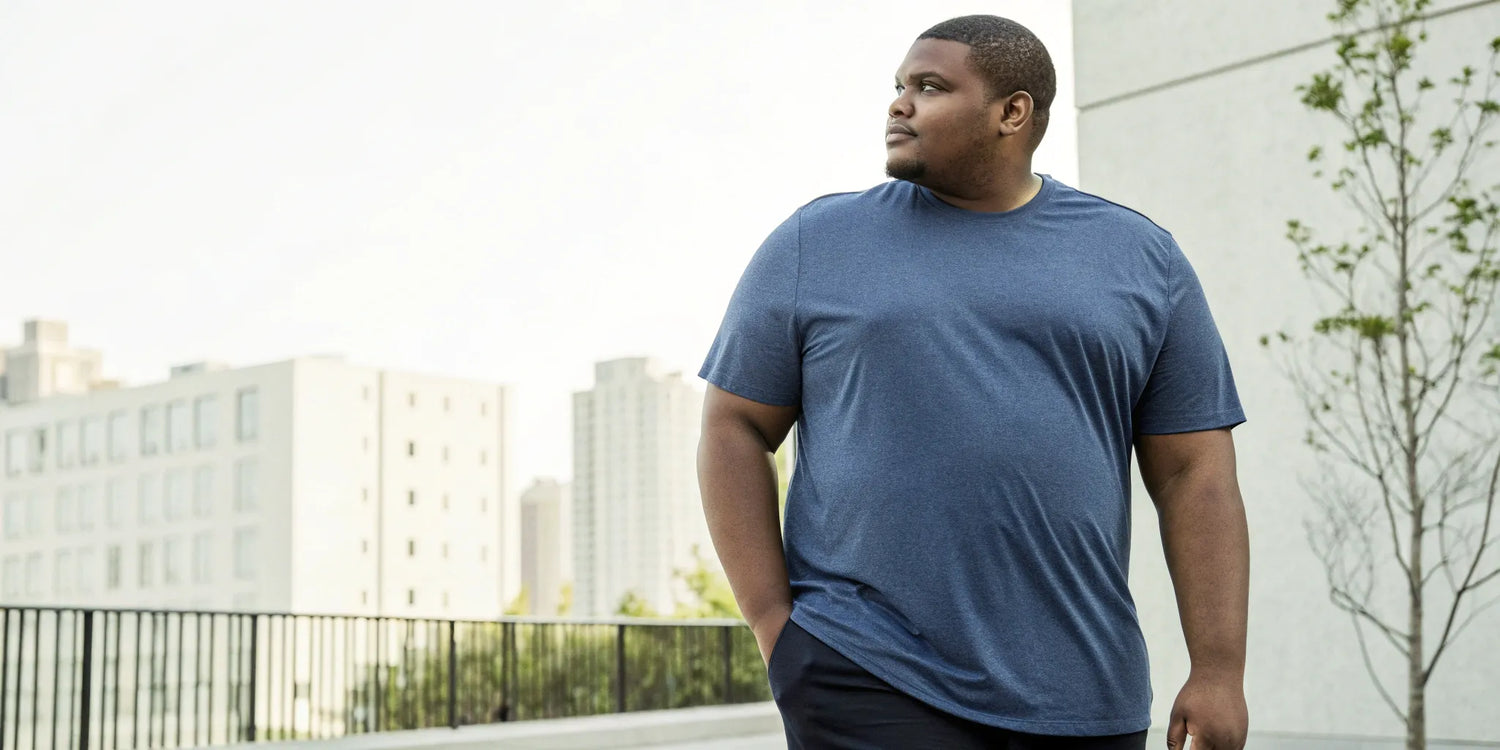
Your closet is likely a graveyard of t-shirts that failed you. The one that shrank to a belly shirt after one wash. The one with the bacon collar. The one made from flimsy fabric that clings to everything. This cycle of buying cheap, disposable tees is exhausting and a waste of money. Investing in a high-quality t-shirt is a game-changer. It’s about paying for durable fabrics, thoughtful construction, and a fit that lasts. The mission to find t-shirt fit is really about finding value—pieces that hold their shape and make you feel great for years, not weeks. Let’s break down what separates a worthwhile investment from another wardrobe disappointment.
Key Takeaways
- Focus on Fit, Not Just Size: A "tall" size (like 3XLT vs. 3XL) adds essential length to prevent your shirt from riding up, while a relaxed cut provides room through the midsection without looking baggy.
- Choose Smarter Fabrics for a Better Drape: Look for mid-weight cotton blends with a small amount of spandex. This combination offers enough structure to hang cleanly instead of clinging, plus the flexibility for all-day comfort.
- Make Your Best Shirts Last Longer: The key to preventing shrinkage is avoiding heat. Always wash your t-shirts in cold water and either hang them to dry or use the lowest heat setting on your dryer to preserve their fit.
What Does "Good Fit" Actually Mean?
We’ve all been there: standing in front of a mirror, pulling at a t-shirt that’s too tight in the chest, too short at the waist, or just plain unflattering. For bigger guys, the term "good fit" can feel like a moving target. It’s not just about finding a shirt that you can technically put on; it’s about finding one that hangs correctly, provides comfort, and gives you confidence. A truly well-fitting shirt should have seams that sit perfectly on your shoulders, enough room through the midsection so it doesn’t cling, and sufficient length to prevent it from riding up every time you raise your arms. It’s a combination of smart design and understanding the proportions of a larger frame, which is why brands that specialize in big and tall sizes often get it right where mainstream brands fail.
Understanding Fit vs. Size
One of the biggest frustrations in shopping is that a 3XL from one brand fits completely differently than a 3XL from another. That’s because size and fit are two different things. Size is just a label on a tag, but the fit—often called the "cut"—is about how the shirt is actually shaped. The cut determines how a shirt drapes over your body. A "slim fit" will be tapered, while a "classic fit" might be boxy. For men with a larger stomach, the cut is everything. You need a shirt designed with enough room in the torso to hang straight down, rather than stretching tightly across your midsection. This is why simply sizing up in a standard-cut shirt often results in a sloppy look with drooping shoulders and excess fabric in the wrong places. It’s better to find a brand that designs its t-shirts specifically for your body type.
How to Measure for the Perfect T-Shirt Fit
Taking a few minutes to measure yourself can save you from countless returns and ill-fitting clothes. Knowing your numbers is the single best way to take control of your shopping experience and buy with confidence. Before you even look at a size chart, you should know what you’re looking for. A key indicator of a good fit is the shoulder seam; it should sit right at the point where your shoulder ends and your arm begins. If it’s sliding down your arm, the shirt is too big. If it’s creeping up toward your neck, it’s too small. Below are two simple methods to find your perfect measurements, ensuring you can finally match your body to a brand’s size chart accurately.
Method 1: Measuring Your Body
The most reliable way to find your base size is to measure your own body. Grab a soft measuring tape and stand in a relaxed, natural posture. Wrap the tape measure around the fullest part of your chest, usually right under your armpits. Make sure the tape is snug but not tight—you should be able to breathe comfortably. This chest measurement is the most critical number for determining your t-shirt size, as it ensures you’ll have enough room across your back and torso. Write this number down and keep it handy. When you shop online, you can compare this measurement directly to a brand’s size guide to see which size corresponds to your chest dimension.
Method 2: Measuring Your Best-Fitting T-Shirt
If you have a t-shirt in your closet that you absolutely love the fit of, it can serve as your perfect template. Lay the shirt on a flat surface, like a table or the floor, and smooth out any wrinkles. Take your measuring tape and measure the chest width from one armpit seam to the other. Then, measure the body length from the top of the back collar down to the bottom hem. These two measurements give you a clear blueprint for what works for you. When you’re looking at a new shirt online, find the product’s size chart—brands like Strongsize often provide these exact garment measurements—and find the size that most closely matches your favorite tee. This method practically guarantees a great fit every time.
How to Find a T-Shirt That Fits a Bigger Build
Finding a t-shirt that fits a bigger frame shouldn't be a quest. You need a shirt that’s comfortable, looks sharp, and doesn’t need constant adjusting. The difference between a good tee and a great one comes down to a few key details: fabric, length, and fit. It’s not about hiding your body—it’s about finding clothes designed to fit it properly. When these three elements work together, you get a t-shirt that makes you feel confident the moment you put it on. Let’s break down what to look for.
The 5-Point Fit Check
A great-fitting t-shirt isn’t just about the size on the tag. It’s about how the shirt is proportioned to your body. When you’re trying on a tee, run through this quick mental checklist. These five points are the difference between a shirt that just covers you and one that actually fits you well, making you look and feel your best. Getting these details right ensures the shirt hangs properly, provides comfort, and creates a clean, flattering silhouette.
Shoulders
The first place to check is the shoulders. The seam where the sleeve attaches to the body of the shirt should sit squarely on your shoulder bone. If that seam is drooping down your arm, the shirt is too big and will look sloppy. If it’s creeping up toward your neck, it’s too small and will feel tight and restrictive across your chest and back. This is the foundation of a good fit, so get this part right first.
Sleeves
Next, look at the sleeves. Ideally, the sleeve hem should land around the midpoint of your bicep. This creates a balanced look that’s flattering on any arm size. You also want to make sure the sleeve opening isn’t too tight, which can be uncomfortable, or too wide and billowy. A sleeve that fits just right offers enough room to move without adding unnecessary bulk to your frame.
Torso
A t-shirt should drape cleanly over your torso. It shouldn’t be so tight that it clings to your belly or chest, but it also shouldn’t be so baggy that it looks like a tent. The goal is a fit that skims your body with a little room to spare. For bigger guys, this is where fabric choice becomes critical. A mid-weight fabric with some structure will hang much better than a thin, flimsy one. At Strongsize, we design our tees to provide extra room through the midsection without looking oversized.
Length
Length is one of the biggest fit problems for bigger and taller men. A t-shirt should be long enough to stay tucked in if you need it to, but not so long that it looks like a dress. A good rule of thumb is that the bottom hem should hit around your zipper. Most importantly, it shouldn’t ride up and expose your stomach when you raise your arms. This is why choosing a "tall" size is often a game-changer, as it adds that crucial extra length.
Neckline
Finally, check the collar. A classic crewneck should sit flat against your body, just above your collarbone, without being too tight or too loose. A collar that’s stretched out or wavy (the dreaded “bacon collar”) can make an otherwise great shirt look old and worn out. Look for tees with a reinforced, ribbed collar that will hold its shape wash after wash, keeping you looking sharp.
Common T-Shirt Cuts Explained
Beyond the five fit points, the overall cut of the t-shirt determines its general shape and how it will fit your body type. The terms on the label—like classic, slim, or relaxed—aren’t just marketing fluff; they tell you how the shirt is designed to fit. Understanding these basic cuts will help you immediately know which tees to grab and which to leave on the rack, saving you a ton of time in the fitting room.
Classic Fit
A classic fit (sometimes called a standard or regular fit) is the most traditional t-shirt cut. It’s designed to be a middle ground—not too tight and not too loose. It generally goes straight down from the armpit to the hem, offering a comfortable amount of room through the chest and waist without being overly baggy. This is a safe bet for most body types and a reliable choice for everyday wear.
Slim Fit
A slim-fit t-shirt is cut closer to the body. It’s narrower through the chest and waist and often has higher armholes for a sleeker, more modern look. While this style can look great on leaner frames, it’s usually not the most comfortable or flattering option for men with a bigger belly, as it’s designed to hug the body and can highlight areas you’d rather not emphasize. If you see "slim fit" on the label, you'll likely want to size up significantly or skip it altogether.
Relaxed Fit
A relaxed fit is designed with comfort in mind. It offers more room throughout the chest, waist, and hips, creating a looser, more casual silhouette. For bigger guys, this is often the best starting point. But a good relaxed fit isn’t just a bigger, shapeless sack of fabric. A well-designed one, like the shirts we’ve perfected at Strongsize, gives you that necessary extra space through the midsection while still having a structured fit in the shoulders and sleeves, so you look put-together, not sloppy.
Why Fabric Matters: Look for Stretch and Structure
The wrong fabric can be your worst enemy, clinging to your midsection and losing its shape. The best t-shirts for bigger guys combine stretch and structure. Look for premium cotton blends with a small percentage of spandex, which gives the shirt flexibility to move with you and helps it retain its shape all day. At the same time, you want a fabric with enough weight to drape smoothly. Heavier-weight cottons, pima cotton, or modal blends are great choices because they’re breathable but have enough substance to provide a clean silhouette.
Understanding Cotton, Blends, and Premium Fabrics
Let's get specific about what to look for on the tag. A standard 100% cotton tee is a classic for a reason—it’s soft and lets your skin breathe. However, it’s also prone to shrinking and can easily lose its shape, especially around the collar and hem. A cotton/polyester blend is a step up in durability and holds its shape better, but sometimes at the cost of that soft, breathable feel. The real sweet spot for a bigger guy is a high-quality cotton blend with a touch of spandex. This combination gives you the best of both worlds: the softness of cotton, the durability to prevent stretching out, and just enough flex to move with you without clinging. It’s this blend that allows a shirt to drape cleanly over your frame instead of hugging it.
When you see terms like Pima cotton or modal, you’re looking at premium options that are built to last. These fabrics have longer fibers, which makes them incredibly soft, resistant to pilling, and much more durable than standard cotton. This is why a higher-quality shirt feels different right off the rack and, more importantly, continues to feel that way after multiple washes. Cheaper, thinner fabrics might feel okay at first, but they’re the ones that shrink, twist, and lose their structure, leaving you with a shirt that’s unflattering and uncomfortable. Investing in a shirt made from a premium fabric like Pima cotton isn't just about luxury; it's about getting a piece of clothing that's engineered to fit well and hold its shape, wash after wash.
Insist on the Right Length for Full Coverage
If you spend your day pulling your t-shirt down, you know length is everything. A standard shirt often isn’t long enough to cover a bigger belly, especially when you move. This is where "tall" sizing is a game-changer. Opting for a 3XLT instead of a 3XL gives you those crucial extra inches for proper coverage, ensuring the hem stays put. It’s about finding the right proportions for your frame, not just a longer shirt. Don’t settle for a standard length—finding your measurements is the first step to getting a comfortable, confident fit.
Aim for a Relaxed Fit, Not a Baggy One
For years, the advice was to hide under oversized clothes. That advice is outdated. Excessively baggy t-shirts can make you look larger and less put-together. Instead of sizing up, focus on a relaxed fit designed for a bigger build. A great fit is roomy in the chest and midsection without being sloppy. The shoulder seams should sit at your shoulders, and the shirt should drape straight down from the chest. This creates a much cleaner and more flattering silhouette than a simple oversized tee ever could.
5 T-Shirt Brands That Nail the Fit for Big Guys
Sifting through brands to find the one that works for your body can feel like a full-time job. The good news is that some companies are finally getting it right. They understand that a good fit for a bigger guy isn’t just about sizing up; it’s about designing for a different frame altogether. These five brands consistently earn high marks for their fit, quality, and understanding of what big and tall men actually need from a t-shirt. Whether you’re looking for rugged durability or buttery-soft comfort, there’s a great option here for you.
Strongsize: Built from the Ground Up for Big & Tall
Let’s start with a brand that was built from the ground up exclusively for you. Strongsize isn’t a mainstream brand with a tacked-on big and tall section; their entire focus is on creating the perfect fit for larger frames. Their classic crew neck tees are cut with more room in the belly and chest, so the shirt drapes cleanly instead of pulling or clinging. They also add extra length to ensure it stays tucked and never rides up. While they are a premium option, the tailored design and durable, stretch-infused fabric make them a worthwhile investment in a shirt that finally fits the way it’s supposed to.
Carhartt: The Durable Option That Actually Fits
If you need a shirt that can handle anything, Carhartt is a legendary choice. Originally designed for tough jobs, their t-shirts have a reputation for being nearly indestructible. For bigger guys, the key is their generous cut. Carhartt’s Loose Fit and Relaxed Fit tees are naturally roomy through the shoulders and torso, providing plenty of space without looking sloppy. The heavyweight cotton fabric is stiff enough to hold its shape and skim over your midsection, and the added length is perfect for preventing unwanted exposure when you’re bending or reaching. It’s a rugged, reliable option that’s built to last.
Fresh Clean Tees: For Softness and a Supportive Stretch
For guys who prioritize comfort, Fresh Clean Tees is a game-changer. Their shirts are known for being incredibly soft and comfortable right out of the bag. They use a proprietary cotton-poly blend called StratuSoft that provides the perfect amount of stretch, allowing the shirt to move with you without feeling restrictive. Most importantly, their cut is designed to be flattering—it’s tailored enough in the arms and chest to look sharp, but with enough room in the midsection so it doesn’t cling. As one fan put it, they fit well without flaring out like a dress, making them a versatile and comfortable wardrobe staple.
Dickies: Extra Length Without Losing Shape
Similar to Carhartt, Dickies has deep roots in workwear, and that heritage shows in their high-quality, functional basics. Their heavyweight t-shirts are a fantastic option for bigger guys because the thick cotton fabric provides structure and durability. One of the best features is that they offer extra-long options that provide excellent coverage and are known for holding their shape and length even after countless washes. This means you can trust your shirt to fit the same way every time you pull it on. It’s a no-fuss, dependable choice for a classic tee that works for just about any casual situation.
Pro Club: The Heavyweight Tee That Drapes Perfectly
Pro Club has a loyal following for one main reason: its heavyweight fabric. These shirts are thick, sturdy, and built to last. The substantial cotton material gives them a fantastic drape that hangs straight down, rather than clinging to your belly. This structure is incredibly flattering for larger body types. They are known for their tight, durable collar that won’t stretch out over time. Many guys recommend buying one size up to get the perfect relaxed fit, but once you find your size, you’ll have a durable, comfortable shirt that looks great and holds up to anything.
What Are the Most Flattering T-Shirt Styles for a Belly?
Finding a t-shirt that looks great isn't about hiding your body—it's about choosing styles that work with it. The right details can make all the difference in creating a clean, proportional silhouette that feels comfortable and looks sharp. From the neckline to the hem, small adjustments in a shirt's design can completely change how it fits your frame. Let's look at a few key style elements that can help you find your perfect tee.
Why Longer Hems and Tall Cuts Are Your Best Friend
One of the most common frustrations for bigger guys is a t-shirt that constantly rides up, exposing your stomach every time you reach for something or get out of a chair. This is where longer hems and tall cuts become essential. A shirt with extra length provides reliable coverage, so you can move through your day without constantly pulling it down. Many brands offer "tall" versions of their standard sizes (like 3XLT instead of 3XL), which are specifically designed with a longer torso in mind. This simple switch ensures your shirt stays put, giving you a more polished look and a major confidence boost.
V-Neck vs. Crew Neck: Which One Works for You?
The neckline of your t-shirt plays a big role in shaping your upper body's appearance. A V-neck is often a great choice because it draws the eye downward, creating a subtle elongating effect that can make your torso look longer and leaner. It breaks up the broadness of the chest area, which can be very flattering. On the other hand, a classic crew neck creates a horizontal line across your shoulders and chest. While it’s a timeless style, it can sometimes make your upper body appear wider. There’s no single right answer, but if you feel like your current tees aren’t quite working, experimenting with a different neckline could be a game-changer.
Exploring Other Necklines: Henleys and Scoop Necks
Don't stop at crew and V-necks. Other styles can be just as flattering, and a Henley is a perfect example. It offers more visual interest than a standard tee, and its button placket creates a vertical line that has the same elongating effect as a V-neck—especially if you leave a button or two undone. This makes the Henley a versatile option that looks a little more polished without sacrificing comfort. A scoop neck is another great choice. Its wider, rounded opening helps soften the look of broad shoulders and makes your neck appear longer. Both of these styles are simple ways to add variety to your wardrobe, giving you the same comfort as a classic t-shirt but with subtle details that can make a big difference in how you look and feel.
Straight vs. Curved Hems: A Small Detail That Matters
The bottom edge of your t-shirt, or the hem, might seem like a minor detail, but its shape affects how the shirt drapes over your midsection. A straight hem offers a classic, clean finish that hangs neatly without clinging. It’s a reliable choice that provides a structured look. A slightly curved hem, sometimes called a scalloped or rounded hem, can also be incredibly flattering. The gentle curve can help soften your silhouette and adds a modern touch to a basic tee. Both styles are excellent alternatives to the stretched-out, uneven hems of an old, ill-fitting shirt, helping you look more put-together instantly.
How to Get the Perfect Sleeve Fit
Don’t overlook the sleeves when you’re trying on a new t-shirt. The right sleeve fit helps balance your overall proportions. You want a sleeve that comfortably hugs your bicep without being restrictive or looking like a tourniquet. Sleeves that are too loose or baggy can add unnecessary bulk to your frame, while sleeves that are too tight can be uncomfortable and draw attention to your arms in a way you might not want. A well-fitted sleeve creates a clean line from your shoulder down your arm, contributing to a sharper, more tailored appearance that makes the whole shirt look better.
Your T-Shirt Shopping Checklist
Finding the right t-shirt goes beyond just picking a color and size off the rack. The best shirts for bigger guys have specific features that are designed for a better fit and more comfort. Once you know what to look for, you can spot a high-quality tee from a mile away and avoid the ones that will let you down. Paying attention to these details will completely change your shopping experience and, more importantly, how you feel in your clothes. These are the small things that separate a shirt you wear once from the one you reach for every week. It’s about investing in pieces that are built to last and designed to make you look and feel your best, turning the frustrating task of shopping into a more confident and successful process.
Feel the Fabric: Check for Weight and Breathability
The fabric of a t-shirt is everything. You want something that feels substantial but won’t make you overheat. Look for mid-weight fabrics that drape well without clinging to your midsection. Super thin materials can be unforgiving, while overly thick ones can feel bulky and hot. A high-quality blend, like ringspun cotton and polyester, often hits the sweet spot, giving you a soft feel with enough structure to hold its shape. This kind of thoughtful fabric selection ensures the shirt is breathable enough for all-day wear, keeping you comfortable whether you’re at work or relaxing on the weekend.
Look Closer: Inspect Seams and Construction
How a shirt is put together is a major indicator of its quality and how it will fit. Look for shirts with side seams instead of a tube-like construction. Side seams give a t-shirt a more tailored shape, helping it follow the lines of your body for a more flattering look. This small detail prevents the shirt from twisting or looking boxy. Also, check for reinforced stitching around the collar and shoulders, as these are high-stress areas. A tagless, screen-printed label is another great feature, as it eliminates that annoying itch at the back of your neck.
Side Seams vs. Tubular Construction
Ever notice how some of your t-shirts start to twist after a few washes, with the side seam slowly migrating toward your belly button? That’s usually the result of tubular construction. This method uses a single, seamless tube of fabric to create the shirt’s body, which is faster and cheaper for manufacturers. The downside is a generic, boxy fit that doesn’t account for the shape of a human body. Without seams to provide structure, the fabric is prone to twisting and losing its shape over time, resulting in that sloppy, worn-out look you’re trying to avoid.
A side-seamed shirt, on the other hand, is constructed more like a tailored garment. It uses separate front and back pieces of fabric that are sewn together along the sides. This simple difference is a hallmark of a higher-quality tee. Those seams provide structure, allowing the shirt to drape cleanly and follow the natural contours of your body for a much more flattering and intentional fit. Brands that are serious about fit, like Strongsize, use side seams because they know it’s the key to creating a shirt that looks great, feels comfortable, and holds its shape wash after wash. It’s a small detail that makes a huge difference in quality.
Make Sure "Tall" Sizing Is Actually Tall
For many bigger guys, especially those with a longer torso or a belly, standard sizes just don’t cut it. This is where "tall" sizes become a game-changer. When a brand offers true tall options (like XLT instead of just XL), it means they’ve added extra inches to the length of the shirt. This additional coverage is crucial for preventing the shirt from riding up when you stretch or bend over. Don’t settle for a standard size if it feels too short—finding your proper fit in a tall size will give you the confidence that your shirt will stay put all day.
Why Spandex Is Your Secret to All-Day Comfort
A little bit of stretch can make a huge difference in how a t-shirt fits and feels. Look for fabrics that include a small percentage of spandex or elastane (usually around 2-5%). This gives the material the flexibility to move with you without losing its shape. A shirt with stretch won’t feel restrictive across your chest, shoulders, or stomach. Instead, it provides a comfortable fit that adapts to your movements. This also helps the shirt bounce back after being worn and washed, so it won’t look saggy or stretched out after just a few wears.
3 Common T-Shirt Fit Mistakes to Avoid
Finding a great t-shirt is as much about avoiding the wrong things as it is about finding the right ones. Many guys fall into the same traps when trying to dress for a bigger frame, often choosing shirts that do the opposite of what they want. Let's walk through a few common mistakes so you can sidestep them and find a fit that makes you feel confident and comfortable.
Mistake #1: Confusing "Oversized" with a Good Fit
It’s a common instinct: if you want to hide your midsection, grab a bigger size. The logic seems sound, but going oversized usually backfires. Instead of concealing anything, a baggy t-shirt adds visual bulk and makes your entire frame look larger and less defined. You end up looking lost in a sea of fabric, which can come across as sloppy. The goal isn't to hide your body—it's to find a shirt that fits it properly. A well-fitted tee that skims your body without clinging provides structure and creates a much cleaner silhouette.
Mistake #2: Picking Thin Fabrics That Cling
Not all cotton is created equal. That thin, flimsy fabric used in many budget t-shirts is your enemy. It has no structure of its own, so it clings to your body, highlighting every line and curve you might be trying to downplay. A better approach is to look for fabrics with more substance. A mid-weight or heavyweight cotton will drape over your frame instead of sticking to it. Fabrics blended with a small amount of spandex are also a great choice, as they offer stretch for comfort while still holding their shape throughout the day.
Mistake #3: Ignoring How Patterns Can Flatter Your Shape
The right pattern can work in your favor, but the wrong one can draw attention where you don't want it. Large, bold graphics stretched across the belly are rarely a good look. Instead, consider how patterns can create a visually slimming effect. Smaller, repeating patterns tend to be more flattering than large, concentrated ones. And don't forget the classics—thin, vertical stripes are a time-tested way to create the illusion of length and a leaner line. It’s a subtle detail that can make a big difference in your overall appearance.
Mistake #4: Automatically Sizing Up Instead of Finding the Right Cut
When a t-shirt feels tight across the stomach, the default move for many guys is to simply grab the next size up. But a 3XL from a standard brand is often just a scaled-up version of their size Medium, meaning everything gets bigger—not just the waist. This is why sizing up often leads to a sloppy fit. The shoulder seams droop down your arms, the sleeves are too long and baggy, and you’re left with excess fabric everywhere. Instead of creating a clean look, this approach adds visual bulk and makes you look less put-together, defeating the entire purpose of finding a shirt that flatters your frame.
The solution isn’t a bigger size; it’s a better cut. A shirt designed specifically for a larger build accounts for the fact that you need more room in the midsection without needing comically wide shoulders. Brands that specialize in big and tall fits, like Strongsize, engineer their patterns to provide a relaxed fit through the torso while keeping the shoulders and sleeves proportional. This creates a structured silhouette that hangs cleanly. Instead of just sizing up, look for descriptions like "relaxed fit" from brands that understand the nuances of proper fit for different body types.
How Much Should a Good T-Shirt Cost?
Figuring out what to pay for a t-shirt can feel like a guessing game. You’ve probably seen five-dollar tees that shrink into belly shirts after one wash, and you’ve also seen designer tees that cost more than a nice dinner out. So, where’s the middle ground? The truth is, the price of a good t-shirt depends on what you value most: fabric quality, construction, and a fit that’s actually designed for your body.
For bigger guys, a cheap t-shirt often means a bad fit. It might be too short, too tight in the chest, or made from a flimsy material that loses its shape instantly. Investing a little more often gets you a shirt that’s built to last, with thoughtful details like extra length and stretch fabric that moves with you. Think of it less as just buying a shirt and more as investing in your daily comfort and confidence. We’ll break down the different price points so you can decide where your money is best spent.
The Budget Sweet Spot: What to Expect for $15-$25
Let’s be real, you don’t always need to spend a lot to get a decent shirt. If you’re looking to stock up on basics or try a new brand without a big commitment, the $15 to $25 range is a great place to start. In this price bracket, you can find some solid options, like a basic charcoal crew neck that works for everyday wear. While these shirts might not have the most premium fabrics or reinforced seams, they can definitely serve their purpose. Just be sure to check the reviews for feedback on shrinking and how the fit holds up over time.
Mid-Range Quality Worth Investing In: $25-$40
This is the sweet spot where quality and value really start to align. When you move into the $25 to $40 range, you’ll notice a significant jump in fabric quality. We’re talking softer, more durable materials that feel great against your skin and hold their shape wash after wash. This is also where you’ll find brands that pay more attention to the specific needs of a bigger frame, offering better proportions in the shoulders, chest, and length. A shirt in this price range is a reliable workhorse for your wardrobe—comfortable enough for the weekend but structured enough to layer under a jacket.
Is a Premium Tee Worth It? When to Spend $40+
Is a t-shirt ever worth more than $40? Absolutely, especially when it’s built to solve specific problems. Premium tees are all about superior materials, expert construction, and a fit that feels custom-made. Brands in this category often stand behind their products with impressive guarantees. For example, some offer a wash and wear trial, giving you months to decide if the shirt is right for you. Spending more here is an investment in a piece that won’t stretch out, fade, or fall apart after a season, saving you money in the long run.
Smart Savings: Using Discounts and Multi-Packs
Once you find a t-shirt brand you love, buying in bulk is the smartest way to build your wardrobe. Most brands offer multi-pack deals that significantly lower the cost per shirt. For instance, you can often find a 6-pack of quality shirts for a price that makes each one a bargain. Also, keep an eye out for first-time customer offers and seasonal sales. Signing up for a brand’s email or SMS list is an easy way to get access to exclusive discount codes that can take a good chunk off your total order.
Where to Find the Best T-Shirt Fit for Your Build
Knowing what to look for is half the battle; the other half is knowing where to find it. The right shopping strategy can save you time, money, and the frustration of another ill-fitting shirt. Here’s how to approach your search to find tees that you’ll actually want to wear.
Online vs. In-Store: Where Should You Shop?
Let’s be honest: the big & tall section at most department stores can be a real letdown. The selection is often limited, and the fits are inconsistent. Shopping online opens up a world of brands that specialize in your build. You’ll find a much wider range of sizes, styles, and colors. A key tip many guys swear by is to look for ‘tall’ sizes, like a 3XLT instead of a 3XL. That extra letter adds crucial length for better coverage over your belly. Brands that focus on this fit understand that a bigger guy doesn’t just need more width—he needs more length, too. You can find great community recommendations for specific brands that nail these proportions.
How to Shop Seasonal Sales Like a Pro
Once you’ve identified a few brands that work for you, it’s time to shop smart. You don’t have to pay full price to get high-quality t-shirts. Signing up for a brand’s email or SMS list is the easiest way to get alerts for seasonal sales and exclusive discount codes. Keep an eye out around major holidays like Black Friday or the end of a season when new inventory is coming in. Some forward-thinking brands even offer generous trial periods, giving you months to wash and wear a shirt to see how it holds up. This completely takes the risk out of trying a new online brand, ensuring you’re happy with the fit and quality long-term.
When Subscriptions and Bulk Buys Make Sense
When you find a t-shirt that fits perfectly, feels great, and holds its shape, don’t just buy one—stock up. Many brands offer a better price when you buy in bulk, selling multi-packs of their most popular tees. This can bring the cost per shirt down significantly, making it an affordable way to build a solid foundation for your wardrobe. It’s also worth checking if a brand has a membership or loyalty program. A small annual fee can sometimes unlock a permanent discount and free shipping on all your orders, which pays for itself after just a couple of purchases. It’s the best way to ensure you’re never without your favorite go-to shirt.
How to Make Your Favorite T-Shirts Last Longer
Finding a t-shirt that fits perfectly is a huge win, so the last thing you want is for it to shrink, stretch, or fade after a few washes. A little extra care can go a long way in preserving the fit and feel of your favorite tees, making sure your investment lasts. You don't need a complicated routine—just a few simple adjustments to your laundry habits can keep your shirts looking as good as the day you bought them. By paying attention to how you wash, dry, and store your t-shirts, you can protect the fabric, maintain the shape, and keep that perfect length you rely on. Think of it as protecting your best assets. These straightforward tips will help you get more life out of your wardrobe staples.
The Right Way to Wash T-Shirts to Prevent Shrinking
The biggest enemy of a great-fitting t-shirt is heat. High temperatures in the wash can cause cotton fibers to constrict, leading to the dreaded shrinkage that turns a perfect-length tee into a belly shirt. To avoid this, always wash your t-shirts in cold water. It’s just as effective at cleaning and is much gentler on the fabric. Group your shirts with similar colors to prevent any dye from bleeding. For extra protection, you can turn them inside out before tossing them in the machine. This simple step helps preserve any graphics and reduces pilling on the outer surface. Following a proper laundry routine from the start is the best way to keep your shirts fitting right.
How to Dry T-Shirts Without Ruining Their Shape
If you do one thing to extend the life of your t-shirts, make it this: skip the high-heat dryer cycle. The intense heat of a standard dryer is the primary cause of shrinking, especially in length. The absolute best method is to hang your shirts to dry or lay them flat on a drying rack. This gentle, no-heat approach ensures your tee maintains its original size and shape, so you don’t lose that crucial coverage. Of course, air-drying isn't always practical. If you need to use a machine, choose the lowest heat setting available, like tumble dry low or air fluff. Pull the shirt out while it’s still slightly damp and let it finish air-drying. This compromise gives you the speed of a dryer while minimizing the risk of shrinkage.
Storing Your Tees to Prevent Stretching
How you store your t-shirts is just as important as how you wash them. While hanging seems convenient, thin wire or plastic hangers can stretch out the shoulder seams and neckline over time, creating those annoying "hanger bumps." This can permanently distort the shape of your shirt, ruining the fit across your shoulders and chest. The best way to store your t-shirts is to fold them neatly and keep them in a drawer or on a shelf. This method puts zero stress on the fabric and helps the shirt maintain its intended shape. If you absolutely must hang them, opt for wide, sturdy hangers with a curved design that can properly support the entire shoulder area without causing stretching.
Related Articles
Frequently Asked Questions
Should I just size up to get a looser fit? It’s a common instinct, but sizing up is usually not the best solution. Going for a shirt that’s simply bigger all over can add visual bulk and look sloppy rather than relaxed. A better approach is to find a shirt designed with a "relaxed fit" in your actual size. These shirts are intentionally cut with more room through the chest and midsection, allowing the fabric to drape cleanly without clinging or looking like a tent.
What’s the real difference between a 3XL and a 3XLT? That little "T" makes all the difference, and it stands for "Tall." A 3XLT is designed with a longer torso in mind, giving you a few extra inches of length without adding unnecessary width to the shoulders or chest. This is the key to solving the problem of a shirt constantly riding up and exposing your stomach. It’s about finding the right proportions for your frame, not just a bigger size.
Why should I pay more than $25 for a basic t-shirt? Think of it as an investment in fit and durability. A less expensive shirt is often made from thin fabric that shrinks, stretches out, and loses its shape after just a few washes. When you spend a bit more, you're paying for higher-quality materials that feel better and hold up over time. You're also getting a more thoughtful design, with features like reinforced seams and a cut that's specifically engineered to fit a bigger body properly.
My shirts always shrink in the wash. Am I doing something wrong? It’s probably not you—it’s the heat. High heat from the washer and dryer is the number one cause of shrinkage, especially in cotton shirts. The easiest fix is to start washing your t-shirts in cold water. To preserve the fit even more, try to avoid the high-heat setting on your dryer. The best method is to hang them to dry, but if you're short on time, tumbling dry on the lowest heat setting will make a huge difference.
Besides the fit, what's the most important thing to look for in a quality tee? Pay close attention to the fabric and the construction. A great t-shirt uses a mid-weight fabric that has enough substance to drape smoothly instead of clinging to you. A small amount of spandex in the blend is also a huge plus for comfort and shape retention. For construction, look for shirts that have seams down the sides, as this provides a much better shape than a tube-knit shirt.

Leave a comment
This site is protected by hCaptcha and the hCaptcha Privacy Policy and Terms of Service apply.