
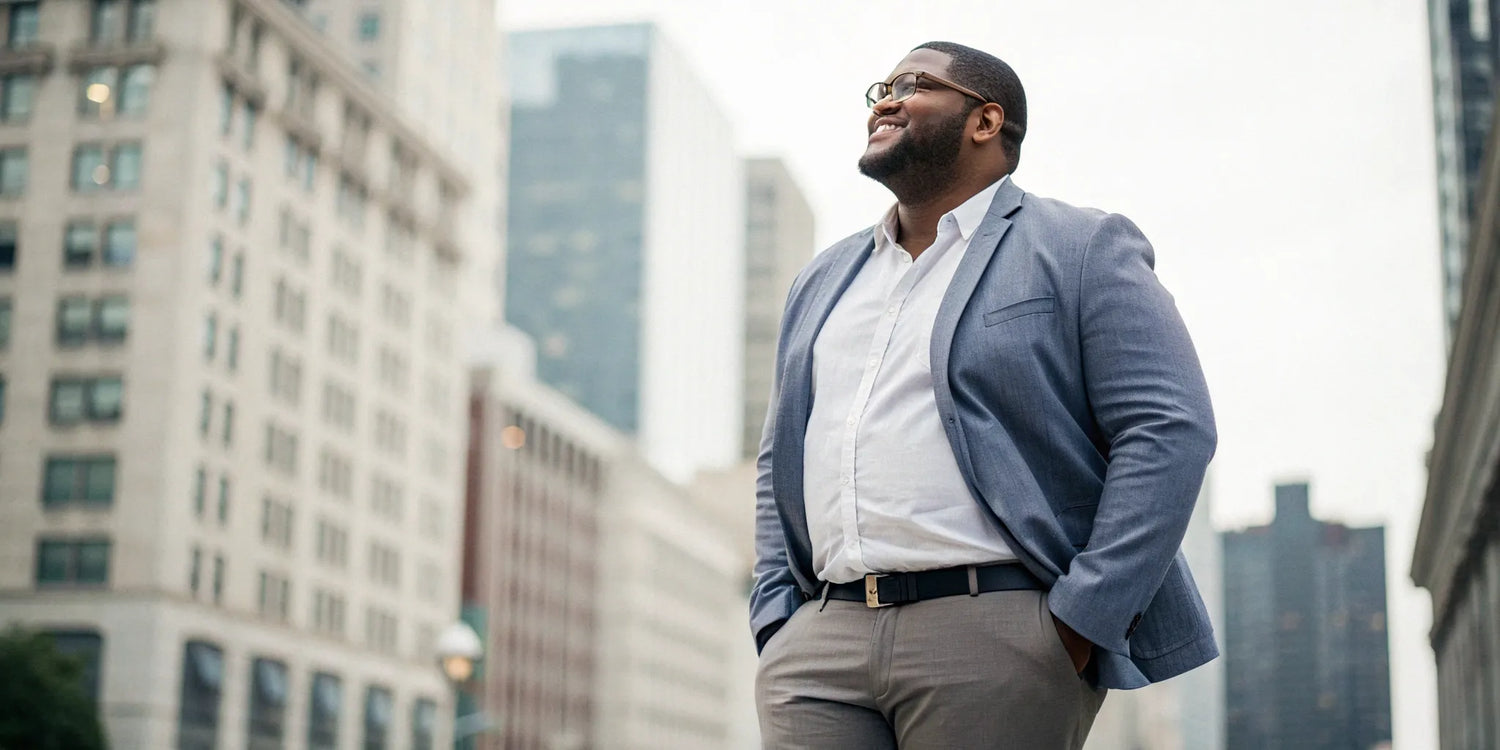
Let's be honest: shopping for clothes when you're a bigger guy can feel like a full-time job. You spend hours searching for pieces that fit your frame, only to end up with options that lack style or fall apart after a few washes. It’s a frustrating cycle that can make getting dressed feel like a chore. This guide is designed to break that cycle for good. We’re going to walk through every step of building a functional, stylish, and durable wardrobe from the ground up. You’ll learn how to find the perfect fit, where to shop for quality, and which core pieces will give you the most versatility. This is your definitive resource for the best plus size essentials for men.
Key Takeaways
- Focus on Proportions, Not Just the Size Tag: A great fit is about more than width—it’s about getting the right length in the torso and sleeves. Ditch the "bigger is better" mindset and look for clothes designed specifically for a big and tall frame to get a clean silhouette that’s neither baggy nor tight.
- Invest in Quality Where It Counts Most: Spend your budget on the foundational pieces you wear constantly, like well-made t-shirts and durable jeans. Higher-quality fabrics with a bit of stretch not only last longer but also drape better, providing a more comfortable and flattering fit from the start.
- Use Simple Style Techniques for a Sharper Look: You don’t need a complete style overhaul. Small adjustments like layering an open button-up over a tee to create vertical lines or adding a quality belt and watch can instantly make a simple outfit look more intentional and put-together.
Your Big & Tall Wardrobe Checklist
Building a wardrobe that makes you feel confident starts with the right foundation. Forget trends that come and go; the key is to invest in high-quality, versatile essentials that fit you perfectly. Think of this as your go-to checklist for the core pieces every big and tall guy needs. With these items in your closet, getting dressed becomes simpler, and you’ll always have a solid outfit ready for any occasion. Each piece is chosen for its ability to be mixed, matched, and layered, giving you maximum style with minimal effort.
The Perfect T-Shirt and Henley
Let’s start with the undisputed champion of any man’s wardrobe: the t-shirt. A great tee is the foundation for countless outfits, but finding one that fits a bigger frame can be a challenge. Look for premium basics made from soft, durable fabrics with a bit of stretch. The perfect shirt should be long enough to stay tucked or hang properly without riding up, and it should offer enough room in the chest and shoulders without looking like a tent. Once you find your perfect tee, grab it in neutral colors like black, white, navy, and heather gray. A Henley offers a nice upgrade, adding a buttoned placket for a touch of visual interest.
Classic Button-Ups and Polos
For moments that call for something a little more put-together, a classic button-up or polo is essential. These shirts bridge the gap between casual and formal, making them perfect for date nights, family gatherings, or casual Fridays at the office. When shopping, prioritize fit across the shoulders and chest—the buttons should lie flat without any pulling or gaping. Cotton and linen blends are excellent choices because they’re breathable and comfortable. Start with versatile colors like light blue, white, or a simple gingham pattern that you can easily pair with other items like chinos or dark-wash jeans for a sharp, effortless look.
Go-To Jeans and Chinos
A great pair of pants can make or break an outfit. For big and tall guys, the goal is to find a cut that provides comfort and a clean silhouette. Straight-leg or athletic-tapered jeans are often the best bet, as they offer room in the seat and thighs without being overly baggy at the ankle. Look for denim with built-in stretch for maximum comfort and movement. Every guy needs a solid pair of dark-wash jeans that can be dressed up or down. Chinos are your other secret weapon—they’re just as comfortable as jeans but look a bit more polished. A classic khaki or navy pair will serve you well.
Sharp Blazers and Sport Coats
Nothing pulls a look together faster than a well-fitting blazer or sport coat. It’s the ultimate layering piece for instantly making a t-shirt and jeans feel intentional or adding polish to a button-up and chinos. The most important element is the fit in the shoulders; the seam should end right where your shoulder does. A blazer adds structure, creating a flattering silhouette that broadens the shoulders and frames your torso. For a more relaxed vibe, try an unstructured knit blazer. Start with a timeless navy or charcoal gray sport coat—it’s incredibly versatile and will quickly become a wardrobe staple.
Versatile Sweaters and Cardigans
When the temperature drops, a good sweater is your best friend. The key is to find styles that provide warmth without adding unnecessary bulk. V-neck sweaters are particularly flattering as they draw the eye vertically and help define your shoulders. Look for breathable, high-quality fabrics like merino wool, cashmere blends, or pima cotton that feel great against the skin and hold their shape. Cardigans are another fantastic layering option, perfect for throwing over a t-shirt for a relaxed weekend look. Make sure your sweaters are long enough in the torso and sleeves to avoid any awkward pulling or riding up.
Foundational Underwear and Undershirts
What you wear underneath is just as important as everything else. Don’t treat your underwear and undershirts as an afterthought—they’re the true foundation of your comfort and confidence. Investing in quality basics made from soft, moisture-wicking fabrics will change your day. Look for underwear with a comfortable, no-roll waistband and a design that prevents chafing. For undershirts, find a style that is long enough to stay tucked in all day and cut to lay flat under your shirts without adding bulk. When your base layers fit well and feel good, everything you put on top of them will look and feel better, too.
How to Find the Perfect Fit
Finding clothes that fit well shouldn’t feel like a treasure hunt. When you’re a bigger guy, inconsistent sizing and poor design can make shopping a frustrating experience. But getting a great fit is entirely possible when you know what to look for. The key is to move beyond the size on the tag and focus on your actual measurements and the proportions of the garment. Let’s walk through the simple steps to find clothes that feel like they were made for you.
Take Your Measurements Accurately
Before you add anything to your cart, you need your numbers. Guessing your size is the fastest way to a closet full of clothes you never wear. Grab a soft measuring tape and get your core measurements: chest, waist, and sleeve length. For the most accurate results, measure your chest around the fullest part, your waist where you normally wear your pants, and your sleeve from the center of the back of your neck to your wrist. Keep these numbers in a note on your phone so you always have them ready when you shop. This simple step is the foundation for every good fit you'll find from here on out.
Decode Size Charts vs. Tag Sizes
Here’s a truth every shopper knows: a 2XL in one brand can fit completely differently from a 2XL in another. The size on the tag is just a starting point. The real source of truth is the brand’s size chart. Every time you shop with a new brand (or even a familiar one that might have updated its sizing), pull up their chart. Compare your personal measurements to the numbers listed for the chest and waist. This is the most reliable way to choose the right size and avoid the hassle of returns.
Why Length and Proportion Matter
Great-fitting clothes for big and tall guys are about more than just width; they’re about proportion. A common mistake brands make is simply scaling up a smaller size, which results in a shirt that’s wide but not long enough. Look for brands that design specifically for bigger frames. This means shirts with added length so they stay tucked in and don’t ride up, pants with a comfortable rise, and shoulders that are cut to accommodate a broader build. Details like stretch fabrics and reinforced seams also make a huge difference in comfort and durability.
Know When to Visit a Tailor
Don’t be afraid to get your clothes tailored. A few simple alterations can take a good fit and make it perfect. If a shirt fits your shoulders and chest well but is a little loose around the middle, a tailor can easily take it in. Same goes for pants that are the right fit in the waist but too long. Tailoring is an affordable way to get a custom fit without the custom price tag. It’s a much better solution than sizing down and ending up with clothes that are too tight or uncomfortable.
Where to Shop for Big & Tall Clothing
Finding clothes that actually fit shouldn't feel like a treasure hunt. For too long, the options for big and tall guys have been limited, forcing you to choose between style and comfort. The good news is that the landscape is changing. More brands are finally recognizing that great style comes in all sizes. Whether you’re looking for foundational basics or specific pieces to round out your wardrobe, knowing where to look is the first step. From specialty stores designed just for you to mainstream brands expanding their collections, here are the best places to build a wardrobe you’ll love.
Strongsize: Premium Basics Built for You
Okay, we might be a little biased, but we started Strongsize because we were tired of the same old problems. We focus on creating premium basics that are engineered for your build, not just scaled up from a smaller size. Think t-shirts and henleys with the extra length you need to feel secure, fabrics with the right amount of stretch for all-day comfort, and strong seams that are built to last. We believe your essential pieces should be the most reliable things in your closet. Our goal is to give you foundational clothing that fits perfectly right out of the box, so you can stop thinking about your clothes and focus on your day.
Specialty Big & Tall Retailers
Sometimes, you want to go to a place that just gets it. Specialty retailers like DXL (Destination XL) are dedicated exclusively to big and tall men, offering a massive range of clothing, from casual wear to formal suits. Because they curate items from many well-known brands, you can find a ton of variety under one roof. While the prices can sometimes be higher, you’re paying for a specialized shopping experience and access to brands that have invested in getting the fit right. These stores are a fantastic option when you need to try on different brands and styles to see what works best for you.
Mainstream Brands with Extended Sizing
More and more mainstream brands are expanding their size ranges, which is a huge win for everyone. Companies like Levi's, Tommy Hilfiger, and Nike now offer extended sizing, making it easier than ever to find stylish, modern pieces that fit your frame. This is especially great when you’re looking for something specific, like a quality pair of jeans, performance athletic wear, or a trendy jacket. The key is to always check the brand’s specific size chart, as a 3XL from one company might fit differently than a 3XL from another. Keep an eye on your favorite brands—you might be surprised to find they now offer your size.
Shop Online with Confidence
Shopping online opens up a world of options, but it can feel like a gamble when you can’t try things on. The secret is to shop smart and remove the risk. Before you buy anything, check the return policy. Many online stores, including ours, offer easy returns, which lets you create a dressing room in your own home. Don’t be afraid to order a couple of sizes to find your perfect fit. Another great tip is to read customer reviews, paying close attention to comments from guys who mention their height and weight. This real-world feedback is one of the best tools for online shopping and can help you buy with much more confidence.
Style Tips That Actually Work
Finding your personal style is about feeling confident in what you wear. It’s not about following a strict set of rules, but about understanding a few key principles that help you highlight your best features. With the right fit as your foundation, you can use color, layers, and accessories to create outfits that look sharp and feel great. These tips are designed to be simple, effective, and easy to apply to your everyday wardrobe.
Layer Your Clothes Strategically
Layering is one of the most effective ways to add dimension and visual interest to your look without adding bulk. For a relaxed, casual style, try wearing a high-quality T-shirt with an open button-up shirt or a light jacket. This creates clean vertical lines that draw the eye up and down. If you need to dress things up, a well-fitting blazer over a crisp shirt or even a premium tee can instantly sharpen your silhouette. The key is to stick with lighter fabrics so you don’t feel weighed down. You can find plenty of visual inspiration to see how different combinations work.
Use Color to Your Advantage
Darker colors like black, navy, and charcoal gray are staples for a reason—they’re slimming, versatile, and always look put-together. But don’t feel like you have to live in a monochrome world. Introducing color is a great way to express your personality. Earthy tones like olive green, burgundy, and rust are fantastic options that are easy to wear and pair well with neutrals. You can start small by adding a colored shirt under a neutral jacket or trying a pair of chinos in a shade other than khaki. Learning a few basics about how to match your clothes can make a huge difference in your confidence.
Work with Textures and Patterns
Beyond color, playing with different textures is an excellent way to make your outfits more interesting. Instead of sticking to plain cotton, try incorporating fabrics like denim, corduroy, or a chunky knit sweater. Even small details, like a leather jacket or suede shoes, can add a touch of sophistication. When it comes to patterns, you don’t have to shy away. Just be mindful of scale. Vertical stripes are a classic choice for a reason, and smaller, more subtle patterns like a micro-dot or a simple plaid can add flair without overwhelming your frame. The goal is to create contrast and depth in your look.
Accessorize with Purpose
The right accessories are the finishing touch that pulls an entire outfit together. Think of them as an investment in your overall look. A classic watch, a quality leather belt, and a clean pair of shoes can make even a simple t-shirt and jeans feel more intentional. The most important rule for accessories is ensuring they fit properly. A belt that’s too tight or a watch strap that’s digging into your wrist will ruin the effect. Don’t be afraid to get your watch resized or to invest in a new belt that fits comfortably—there are more size-inclusive options available online than ever before. These small details show that you care about your appearance.
Common Style Mistakes to Avoid
Finding clothes that fit well is the single most important step toward building a style you feel great in. But when you’re a bigger guy, it’s easy to fall into a few common habits that don’t do you any favors. The good news is that a few simple adjustments can make a massive difference. Think of these less as "rules" and more as guideposts to help you find what truly works for your body, so you can step out the door feeling confident every single day. It’s not about changing who you are; it’s about letting your clothes work for you, not against you.
The "Bigger is Better" Trap
Many of us have been there: you try something on that’s tight in the chest or belly, so you just grab the next size up. The problem is that this "bigger is better" approach often backfires. Wearing clothes that are intentionally oversized can actually make you look larger and less put-together. Drowning in fabric hides your shape entirely, creating a bulky, undefined silhouette. Instead of sizing up until a shirt feels like a tent, look for clothes cut specifically for a big and tall frame. The goal is a shirt that skims your body—not too tight, not too loose—creating a clean, strong line from your shoulders down.
Clothes That Are Too Tight
On the flip side is the mistake of wearing clothes that are visibly too small. If your buttons are pulling across your chest or your shirt is riding up your stomach, it’s a clear sign the fit is off. Squeezing into a smaller size is not only uncomfortable, but it also restricts your movement and can draw attention to areas you might prefer to downplay. A great fit should feel effortless. You should be able to raise your arms, sit down, and move through your day without constantly adjusting your clothes. Always prioritize comfort and a fit that allows you to breathe easily.
Forgetting About Proportion
Style is all about creating a balanced look from head to toe. A common misstep is pairing baggy clothes with other baggy clothes, which can throw your proportions out of whack and result in a sloppy appearance. The key is to think about your overall silhouette. For example, if you’re wearing a more relaxed hoodie, pair it with straight-leg or tapered jeans to create a more defined shape. Understanding how to dress for your body shape is about making sure your clothes work together to create a cohesive, flattering outline that looks intentional and sharp.
Overlooking Fabric Quality and Stretch
The material your clothes are made from is just as important as the cut. Cheaper fabrics often feel stiff, shrink unevenly in the wash, and lose their shape after just a few wears. They don’t drape well and can cling in all the wrong places. Investing in higher-quality basics made from premium materials like pima cotton will pay off in the long run. Also, look for fabrics with a bit of built-in stretch. This small detail provides flexibility and comfort, allowing the garment to move with you while maintaining its shape all day long. It’s the secret to clothes that look good and feel even better.
Build Your Wardrobe on Any Budget
Building a wardrobe that makes you feel confident doesn’t have to drain your bank account. It’s all about being strategic with your purchases and focusing on value over volume. For too long, the options for big and tall guys have been limited, often forcing a choice between clothes that fit poorly and clothes that cost a fortune. The good news is that you can break that cycle. The key is to shift your mindset from simply buying clothes to investing in a functional, stylish wardrobe. This means understanding which pieces are worth spending a little more on, how to create dozens of outfits from just a few core items, and how to find the best deals on high-quality apparel. With a few smart approaches, you can assemble a collection of great-fitting clothes that will serve you well for years, look fantastic, and respect your budget. Let’s get into how you can build a versatile and durable wardrobe without overspending.
Know What to Splurge On
It might sound counterintuitive, but spending more on certain items can actually save you money in the long run. Quality basics are a smart investment. While cheap clothes seem like a good deal at first, they often wear out, shrink, or lose their shape after just a few washes—a problem that’s even more frustrating when you’ve finally found something that fits. Investing a bit more in well-made essentials means they'll last longer and look better over time. Focus your budget on the pieces you wear most often: durable jeans, a versatile jacket, and foundational pieces like premium t-shirts built with high-quality fabric and strong construction. These are the workhorses of your wardrobe, and paying for quality here ensures you won’t be replacing them every few months.
Create a Capsule Wardrobe
A capsule wardrobe is a minimalist collection of essential items that can be easily mixed and matched. The goal is to create a wide range of outfits from a small selection of clothes. This approach saves closet space, simplifies laundry day, and takes the guesswork out of getting dressed because everything goes together. Start with a foundation of neutral colors like black, navy, gray, and white. A solid starting point includes a few well-fitting tees and henleys, two pairs of versatile pants (like dark-wash jeans and chinos), and a classic button-up shirt. From there, you can add layers like a sweater or a casual blazer. Everything should work together, making it easy to look put-together without a ton of effort.
Shop Smart for the Best Value
Getting the most for your money is all about timing and strategy. Keep an eye out for end-of-season sales and major holiday deals like Black Friday to get high-quality items at a lower price. Another great tactic is to sign up for email lists from your favorite brands. This is often the best way to get early access to sales, exclusive discount codes, and loyalty rewards. Being a savvy shopper means you can afford to invest in the quality pieces you really want without paying full price. Planning your purchases around these events allows you to build your ideal wardrobe with premium items that are actually within your budget.
Make Your Clothes Last
Finding clothes that fit perfectly is a huge win. The last thing you want is for your favorite t-shirt or go-to pair of jeans to shrink, fade, or fall apart after a few washes. Taking a little extra care of your clothes doesn't have to be complicated, but it makes a massive difference in how long they look and feel great. Protecting your investment in quality pieces means you'll spend less time and money replacing them down the road. Here’s how to keep your wardrobe in top shape.
Washing and Maintenance Tips
The laundry room can be tough on clothes. To keep your garments from shrinking and fading, always wash them in cold water on a gentle cycle. High heat is the enemy of most fabrics, so avoid the hottest settings on your dryer. The best option is to air-dry your clothes whenever possible, but if you’re short on time, use the low-heat or tumble-dry setting. Before you wash anything new, take a quick look at the care tag. Those little symbols offer the best instructions for that specific item. Getting familiar with laundry care symbols is a simple way to make sure you’re treating every fabric right.
How to Extend the Life of Your Garments
Great clothing care goes beyond the wash cycle. It starts with buying well-made basics that are built to last. Investing in quality pieces saves you money over time because they won't need to be replaced as often. How you store your clothes also matters. Use sturdy, wide hangers for button-ups and jackets to support the shoulders and prevent stretching. Fold heavy items like sweaters to avoid distortion. And don't be afraid of minor repairs! Learning to sew on a button or fix a small hole can save a favorite shirt from the donation pile. These small habits ensure your clothes stay in rotation for years, not just a season.
Related Articles
Frequently Asked Questions
What's the most important part of a shirt's fit for a bigger guy? You should focus on the shoulders and the length first. The seam of the shirt should sit right at the edge of your shoulder—not hanging off it or creeping up your neck. Next, check the length. A good shirt should be long enough to cover your waistband and stay put when you raise your arms, without looking like a dress. If you get these two things right, you're already most of the way to a great fit.
If I'm building my wardrobe from zero, what are the first few pieces I should buy? Don't try to buy everything at once. Start with three versatile workhorses: a high-quality t-shirt in a neutral color like gray or navy, a pair of dark-wash jeans with a straight or athletic fit, and a classic button-up shirt. These three pieces can be mixed and matched or worn on their own, giving you a solid foundation to build on for almost any casual occasion.
Is tailoring really necessary for casual clothes like t-shirts and jeans? That's a great question. For basics like t-shirts and most jeans, finding a brand that designs for your build is a much better and more efficient solution than tailoring. A tailor is your best friend for more structured items like blazers, sport coats, and chinos. A few small adjustments to those pieces can make them look completely custom and incredibly sharp.
I hate returning things. How can I get my size right the first time when shopping online? I completely get it—returns are a hassle. The best way to avoid them is to take a few minutes to prepare before you click "buy." Use a soft measuring tape to get your accurate chest and waist measurements, and then compare those numbers directly to the brand's specific size chart, not just the tag size. Also, take a moment to read customer reviews, especially from guys who share their height and weight, as their feedback can be incredibly helpful.
Why does fabric matter so much? Isn't cotton just cotton? Not all fabrics are created equal, and the difference is huge for both comfort and durability. Cheaper materials can feel stiff, shrink oddly, and lose their shape quickly. Higher-quality fabrics, like pima cotton, are softer, stronger, and drape better on your frame. Also, look for clothes with a small amount of built-in stretch. That little bit of flexibility makes a world of difference in how comfortable you feel all day.


Leave a comment
This site is protected by hCaptcha and the hCaptcha Privacy Policy and Terms of Service apply.